

Every large electric motor has two awkward moments: the instant it starts and the instant it stops. Left unmanaged, a big motor pulls a heavy inrush of current as it starts, and on stopping it has nowhere sensible to put its energy. Resistor banks deal with both. They give a motor a controlled, stepped start with strong torque but limited current, and they soak up the energy thrown back during braking, turning it into heat and getting rid of it safely.
Because they spend their lives absorbing and dissipating energy, resistor banks run hot, and they often work in punishing places: steelworks, harbours, quaysides, offshore platforms. Over time the heat and the environment take their toll. Ceramic insulators crack, metalwork corrodes, and contamination builds up until current starts finding a path to earth that it should not. That is the point where a resistor bank stops being dependable, and stops being safe.
This set came in for a full overhaul: a strip-down to component level, a deep clean, a complete re-insulation and a protective repaint, then reassembly and testing before it went back to work.
A resistor bank is, at heart, a controlled way to turn unwanted electrical energy into heat. Surplus energy from the motor circuit is fed through a set of resistor elements, each carried on ceramic insulators that keep it electrically isolated, all housed in a ventilated stainless enclosure that lets the heat escape.
A resistor bank feeds surplus energy from the motor circuit through resistor elements and dissipates it as heat. Ceramic insulators isolate each element, and the ventilated enclosure carries the heat away.
The same basic idea is built in a few different ways, depending on the motor and the job it does:
Resistor banks tend to fail slowly rather than suddenly, which is part of what makes them easy to overlook until they cause a problem. The heat is the main culprit. Years of thermal cycling, heating up under load and cooling between duties, make ceramic insulators brittle until they crack, and that same heat bakes on contamination and works at any protective coating. Add a damp, dusty or salt-laden atmosphere and the surfaces between live parts and earth slowly stop being clean air and start being a conductive film.
For a maintenance team, the signs usually show up at the drive rather than the resistor. Nuisance tripping during braking, earth-fault alarms, or a noticeable drop in braking performance all point back to the bank. Up close you might see discolouration, heat marks, tracking across an insulator, or a cracked ceramic. By the time any of these are obvious the insulation resistance has usually already fallen, which is why a periodic insulation test is worth far more than a quick visual glance.
The headline problem with a tired resistor bank is rarely a single dramatic fault. It is the slow build-up of heat damage and contamination. Ceramic insulators that have been thermally cycled for years go brittle and crack, metalwork corrodes, and a film of dust, salt and grime bridges the gaps that are supposed to stay clear. That contamination is what lets current leak to earth, and it is exactly what an insulation test picks up.
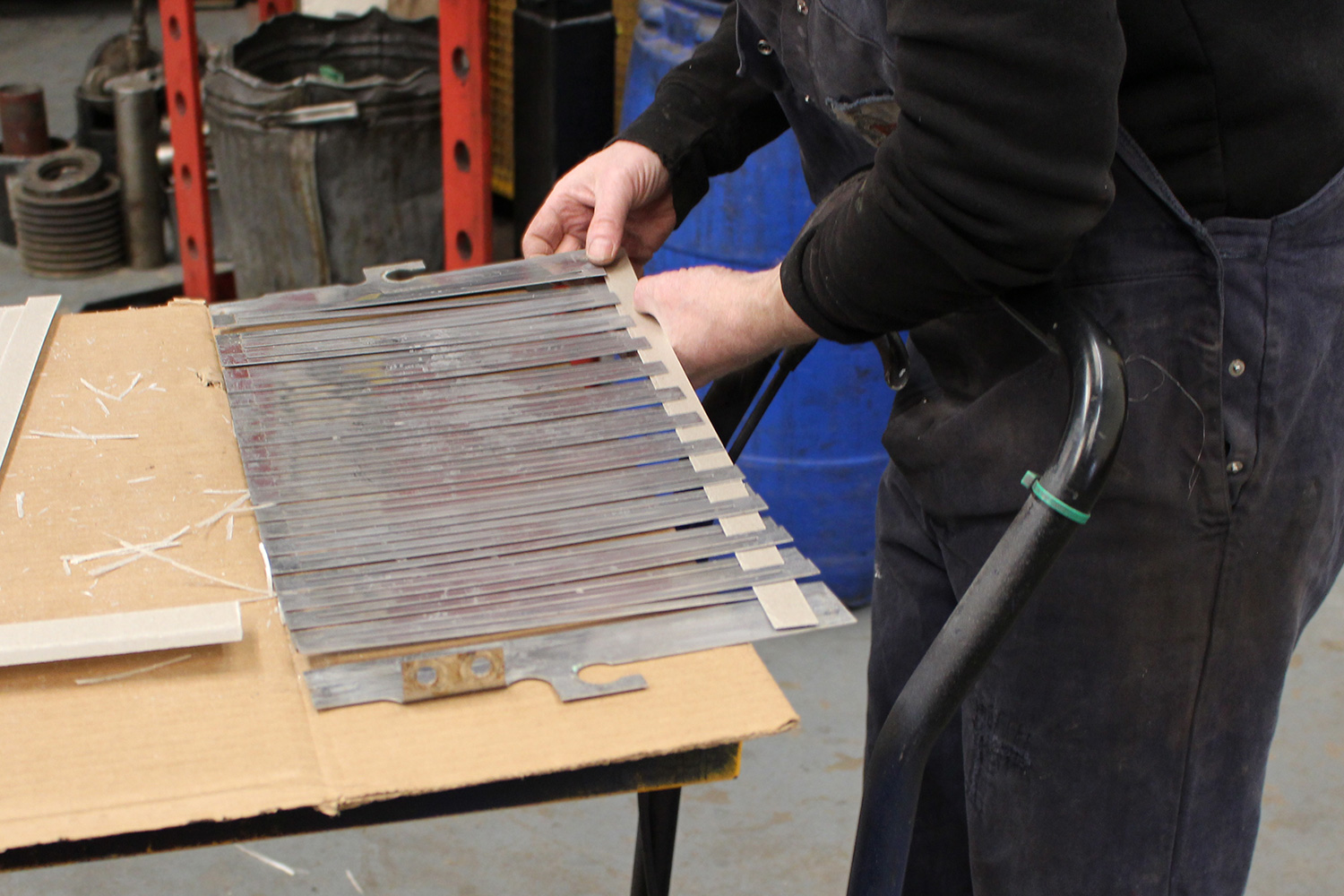
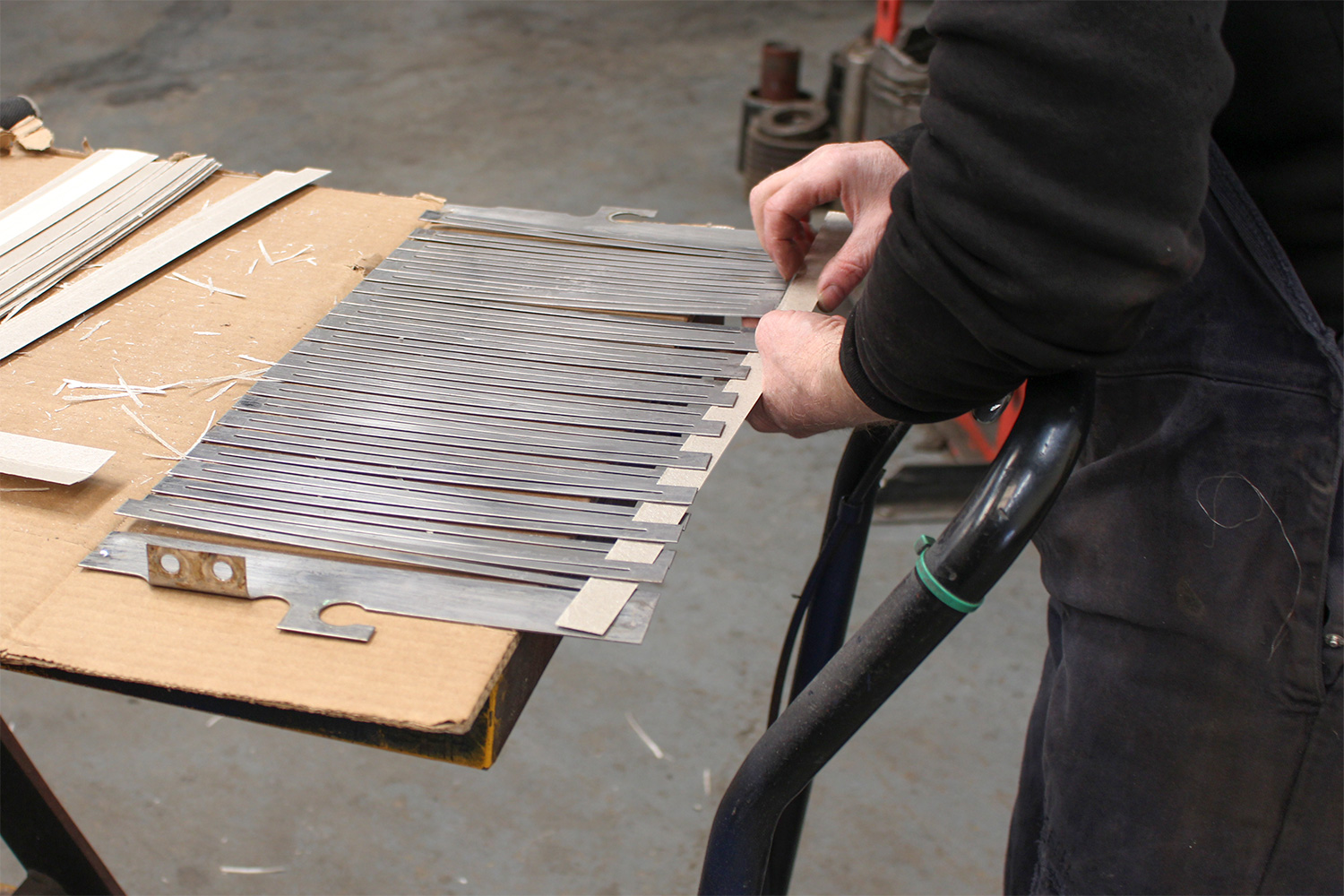
The work starts by removing the covers and inspecting every part, then testing the bank electrically to see where it stands before anything is touched. From there the elements come out completely. Taking the bank right back to its component parts is the only way to clean and inspect properly, and the only way to be sure the re-insulation that follows is done to every insulator, not just the obvious failures.
Every part is then cleaned and, where the surface allows, polished. The cleaning is not cosmetic. The specific aim is to clear the contamination causing earth leakage, so the bank reads clean to earth once it is back together. All of the ceramic insulators are replaced as a matter of course, because a brittle insulator that has survived this time is a future failure waiting to happen, and the cost of replacing them all is small against the cost of the bank tripping in service. Finally, the metalwork is treated with an anti-rust coating to slow the corrosion that the heat and the environment will keep working at.
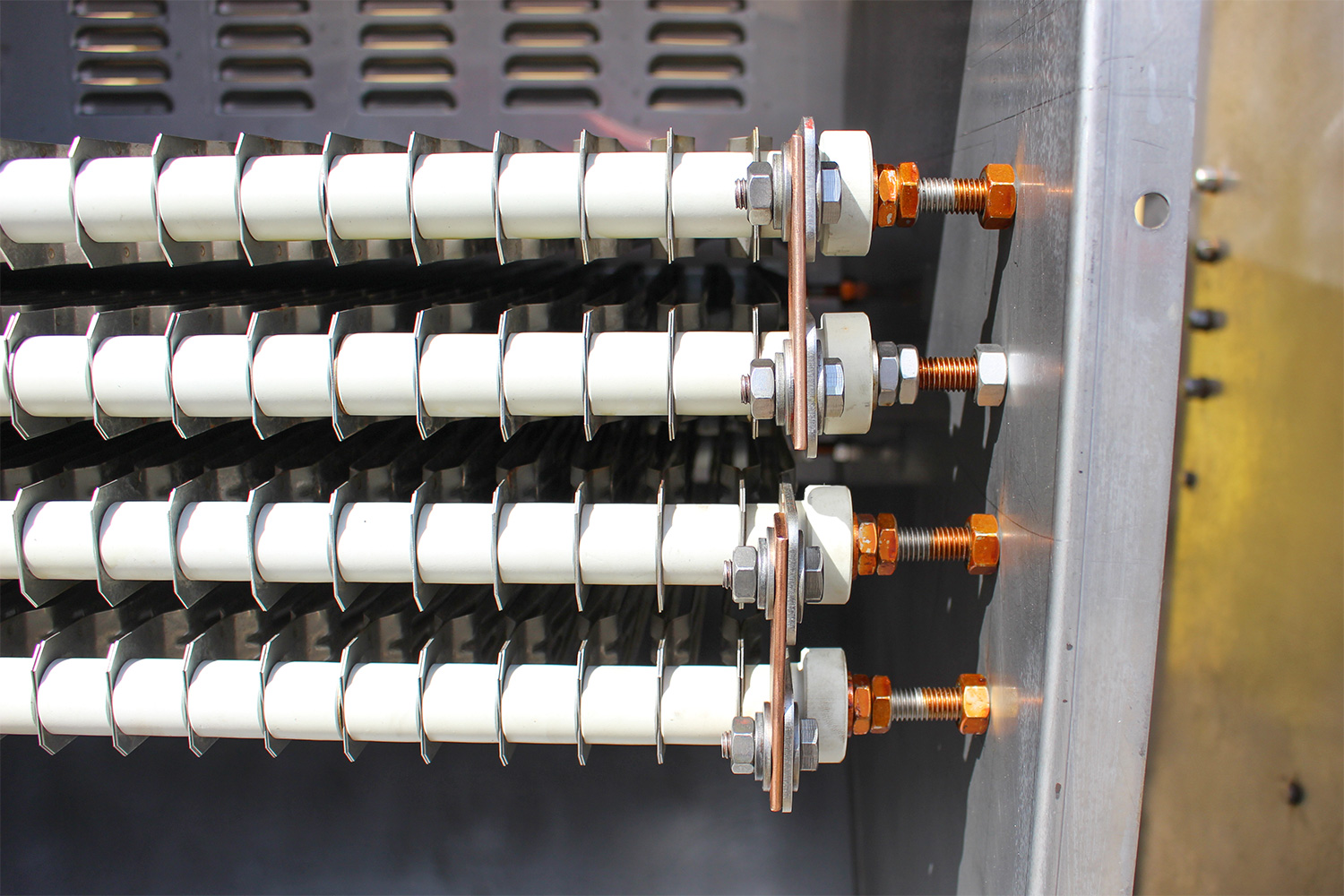
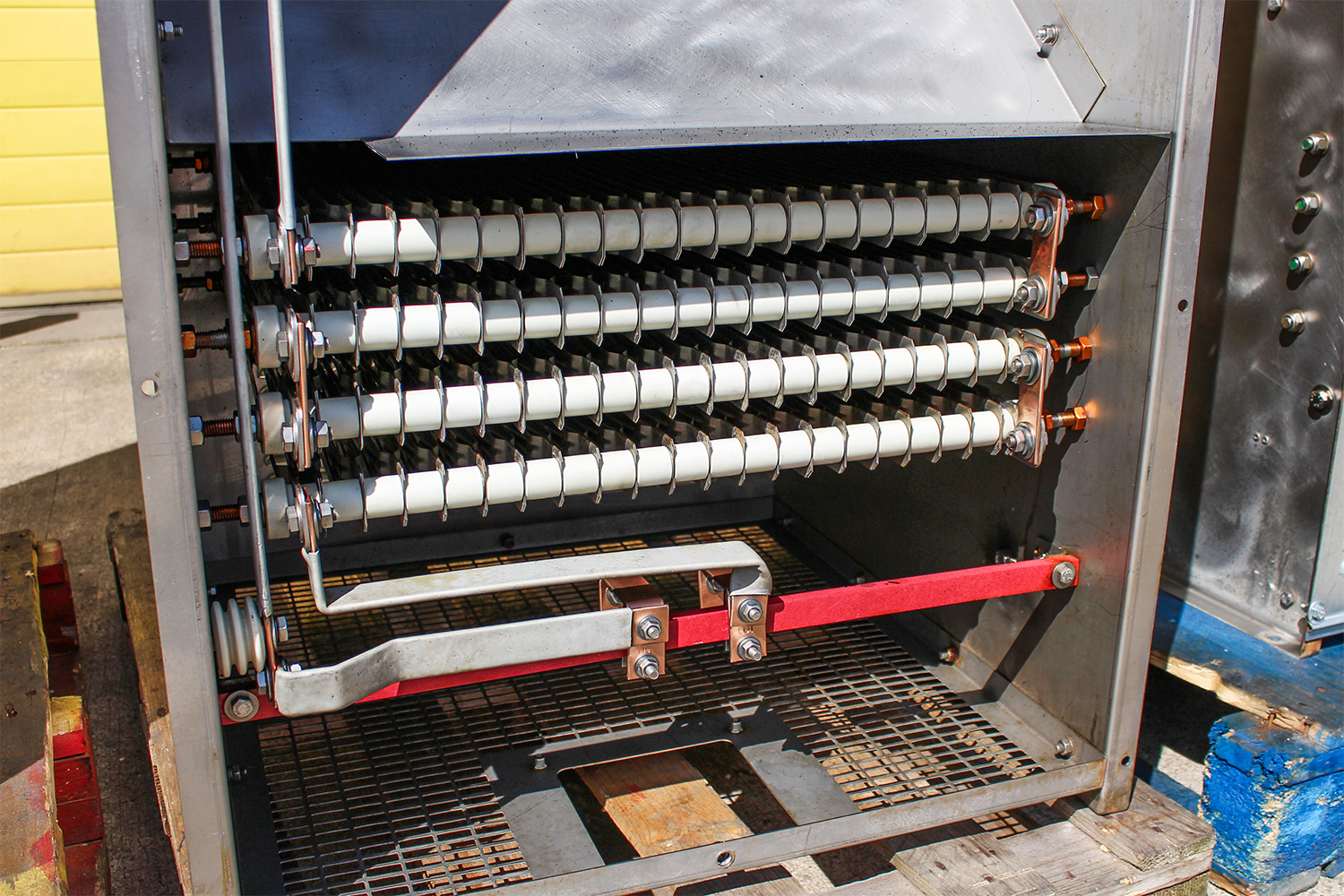
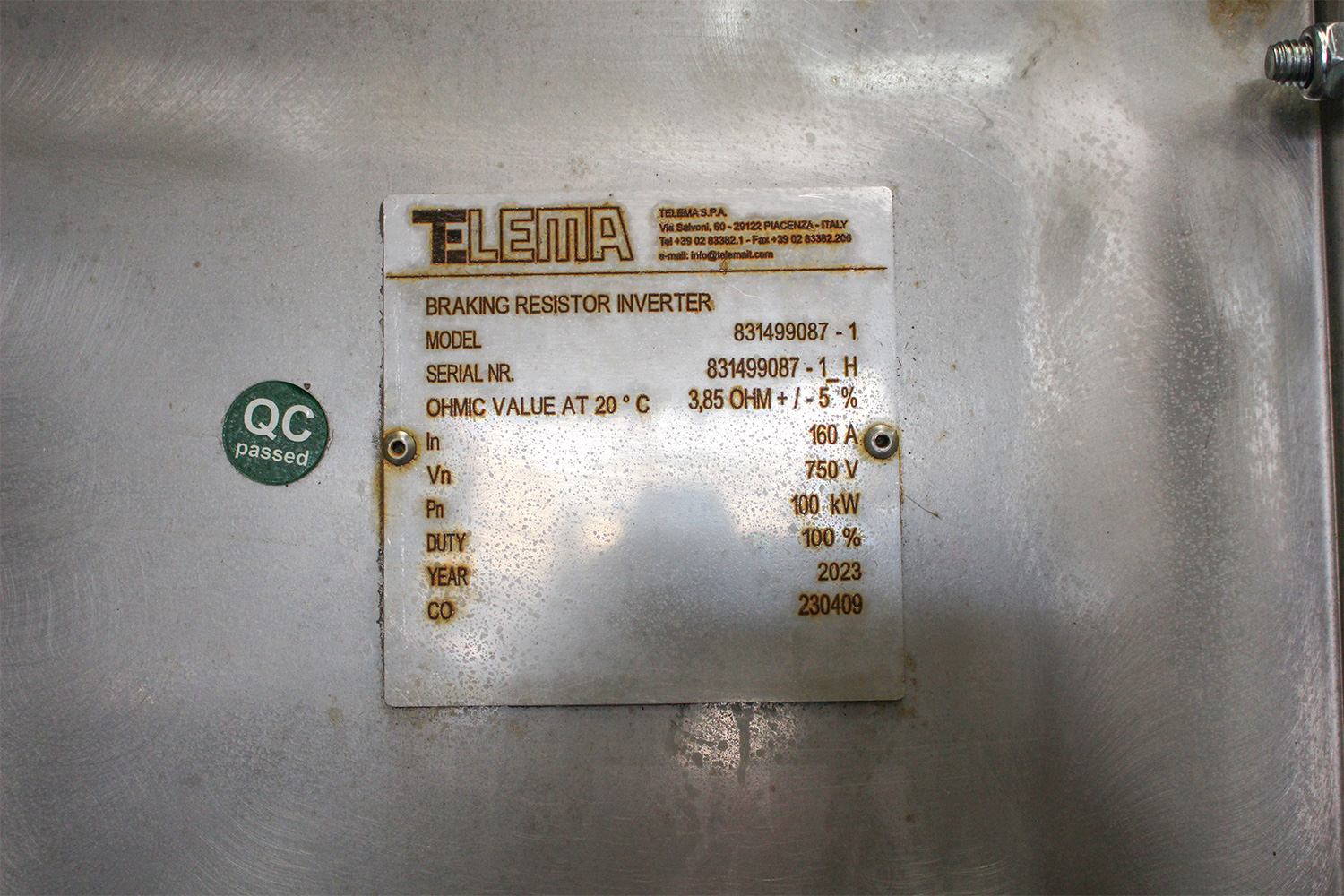
With clean parts and new insulators, the bank goes back together and is tested properly before it leaves. Two checks matter most. The first is insulation resistance to earth, which should now read high and clean, confirming the contamination that was letting current leak away has gone. The second is the resistance of the elements themselves, checked against the value the bank is rated for, so any element that has drifted, cracked or gone open circuit is caught before the unit ships rather than after it is back on a machine. On the unit pictured, that rated figure is printed on the plate: 3.85 ohms, plus or minus five per cent.
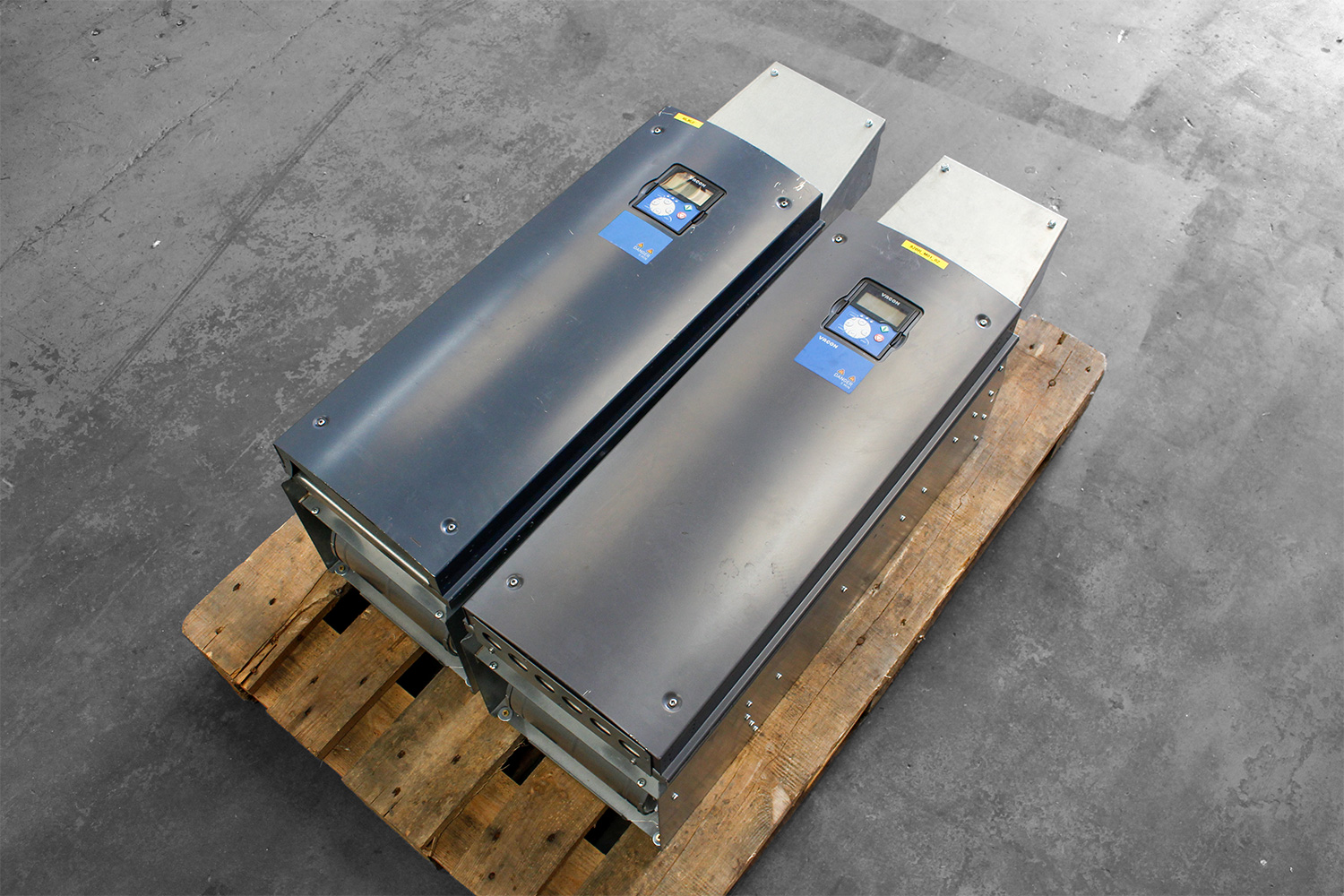
The associated inverter drives that run alongside the resistors were checked over as part of the same package, so the whole control system went back as a known, working set rather than a repaired part bolted to tired equipment.
It is fair to ask whether a bank this far gone is worth saving. For most resistor banks the answer is yes, and comfortably so. Many are bespoke or built to an obsolete specification, so a like-for-like replacement means a long lead time and a price to match, all while the machine it serves sits idle. A workshop overhaul keeps the proven unit, the one already known to fit and to suit the duty, and returns it for a fraction of that cost in a fraction of the time. The parts that genuinely wear, the insulators and the protective coating, are renewed, while the heavy stainless structure that does the real work is almost always sound. Replacement only really makes sense when the elements themselves are too far gone to recover, and an honest inspection will say so either way.
The resistor banks went back clean, fully re-insulated and electrically sound, ready to keep large motors starting and stopping under proper control. Overhauled rather than replaced, they return at a fraction of the cost and lead time of new equipment, and built to keep working in the harsh environments these units are usually asked to live in.

We overhaul and repair starting and braking resistor banks, dynamic braking resistors and the drives that run them, in our Leicester workshop or on site. Free initial inspection, clear reporting, and collection and return across the UK.