
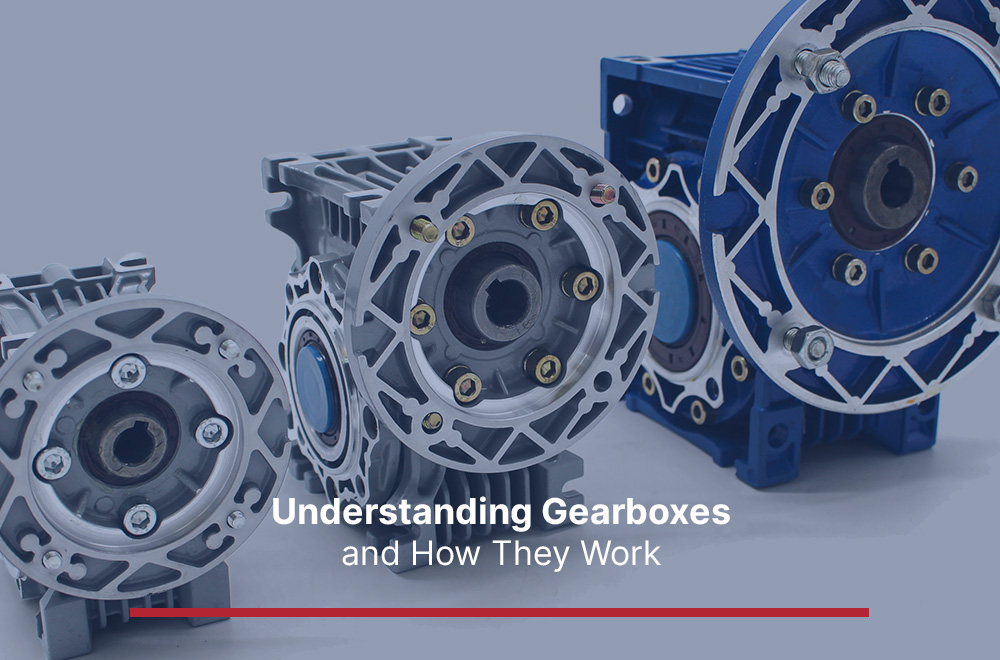
Gearboxes are one of the most common components in industrial machinery, yet they are often one of the least understood. Whether you are maintaining existing equipment, specifying a new drive system, or simply trying to make sense of what is inside a machine, this guide explains what gearboxes are, how they work, and why the type you choose matters.
A gearbox is a mechanical device that sits between a power source, usually an electric motor, and the machinery it is driving. Its job is to take the rotational power produced by the motor and deliver it to the application in a more useful form.
In most cases that means one of three things: slowing the speed down, increasing the torque, or changing the direction of rotation. Often it means all three at once.
Without a gearbox, a standard electric motor running at 1,400 to 1,500 rpm would be far too fast and produce far too little turning force (torque) for most industrial applications. A conveyor belt, a mixer, a hoist, or a pump all need power delivered at a completely different speed and force than a motor produces on its own. The gearbox bridges that gap.
To understand how a gearbox works, it helps to understand the relationship between speed and torque.
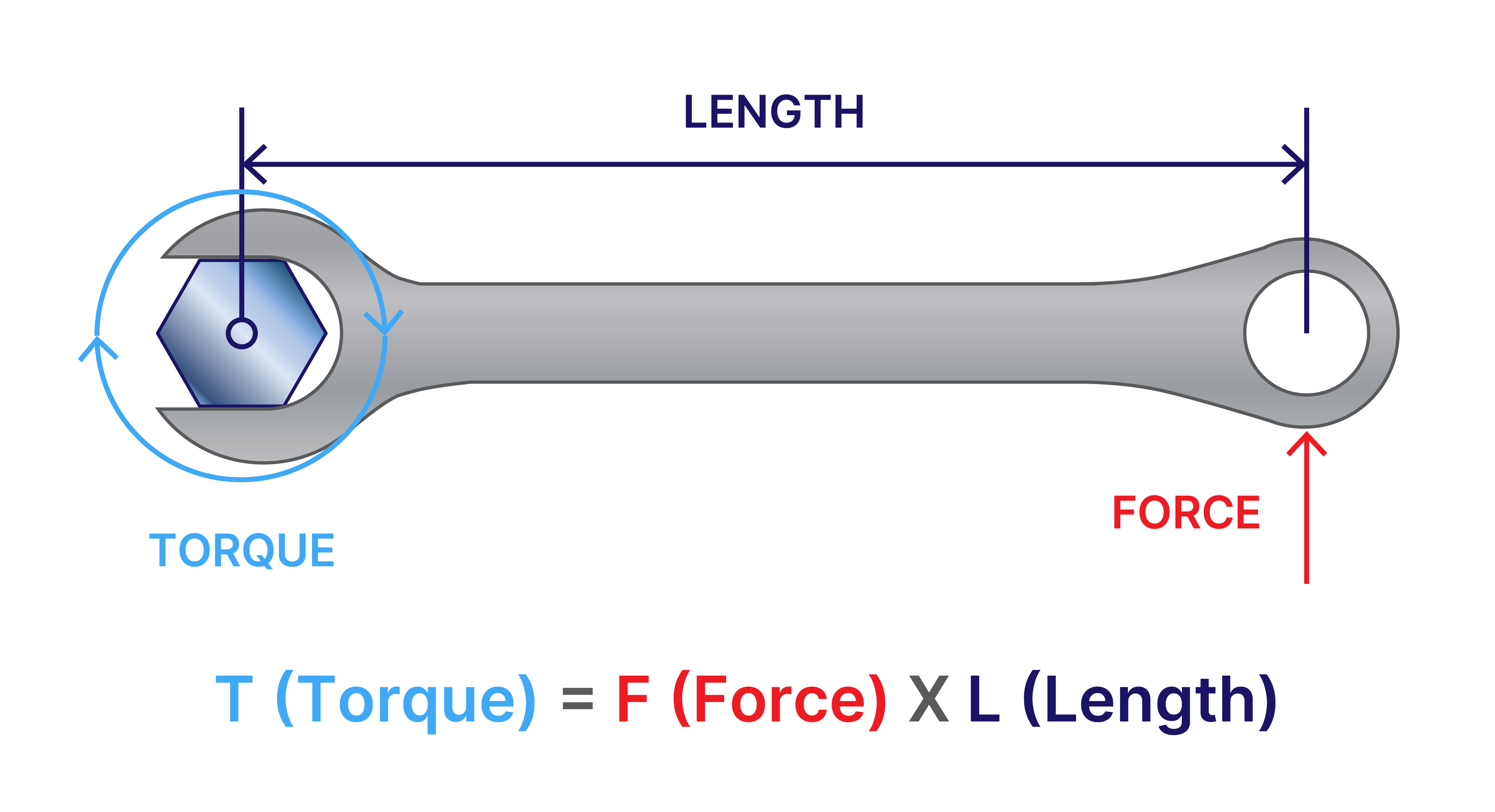
Torque is the rotational force being applied, which you can think of as the twisting power available at the shaft. Speed is how fast that shaft is spinning. The two are directly linked: when a gearbox reduces speed, it increases torque by the same proportion, and vice versa. This is sometimes called the conservation of power, and it is the fundamental principle behind every gearbox.
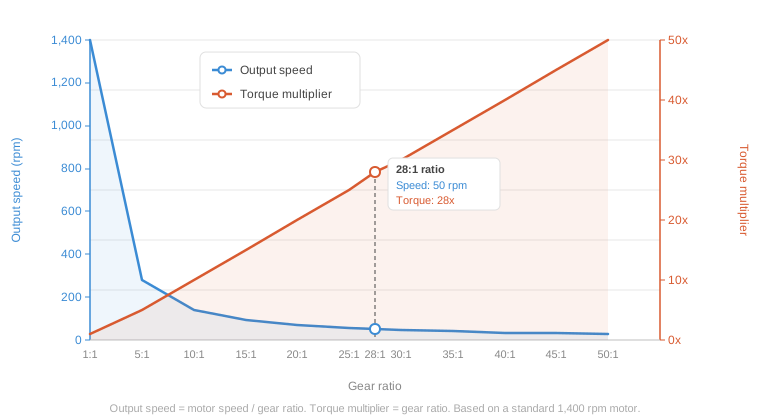
So if you have a motor spinning at 1,400 rpm and you put it through a gearbox with a 28:1 ratio, the output shaft will turn at 50 rpm. At that lower speed, the torque available at the output will be 28 times greater than at the motor shaft, minus a small amount lost to friction within the gearbox itself.
This is why gearboxes are so valuable. They allow a relatively small, fast-spinning motor to produce the slow, powerful turning force needed to drive heavy industrial equipment.
The gear ratio is the number that describes how much a gearbox changes the speed between input and output. A ratio of 10:1 means the output shaft completes one full rotation for every ten rotations of the input shaft.
The higher the ratio, the greater the speed reduction and the greater the torque multiplication. A ratio of 5:1 gives a modest speed reduction. A ratio of 100:1 gives a dramatic one. Some gearbox types, particularly worm and planetary gearboxes, can achieve ratios well above 100:1 in a single compact unit.
Choosing the right ratio for your application is one of the most important decisions in drive system design, but it starts with a straightforward calculation: divide the motor speed by the speed you need at the output.
At its most basic level, a gearbox contains a set of gears, shafts, and bearings housed inside a sealed casing filled with lubricating oil. The gears mesh together and transfer rotational energy from one shaft to another. By using gears of different sizes, the gearbox changes the speed and torque of the rotation.
The casing protects the internal components from dirt, moisture, and damage. The oil lubricates the gear teeth and bearings to reduce friction and heat, which would otherwise cause rapid wear. Many gearboxes also have seals at the shaft entry and exit points to prevent oil leaking out.
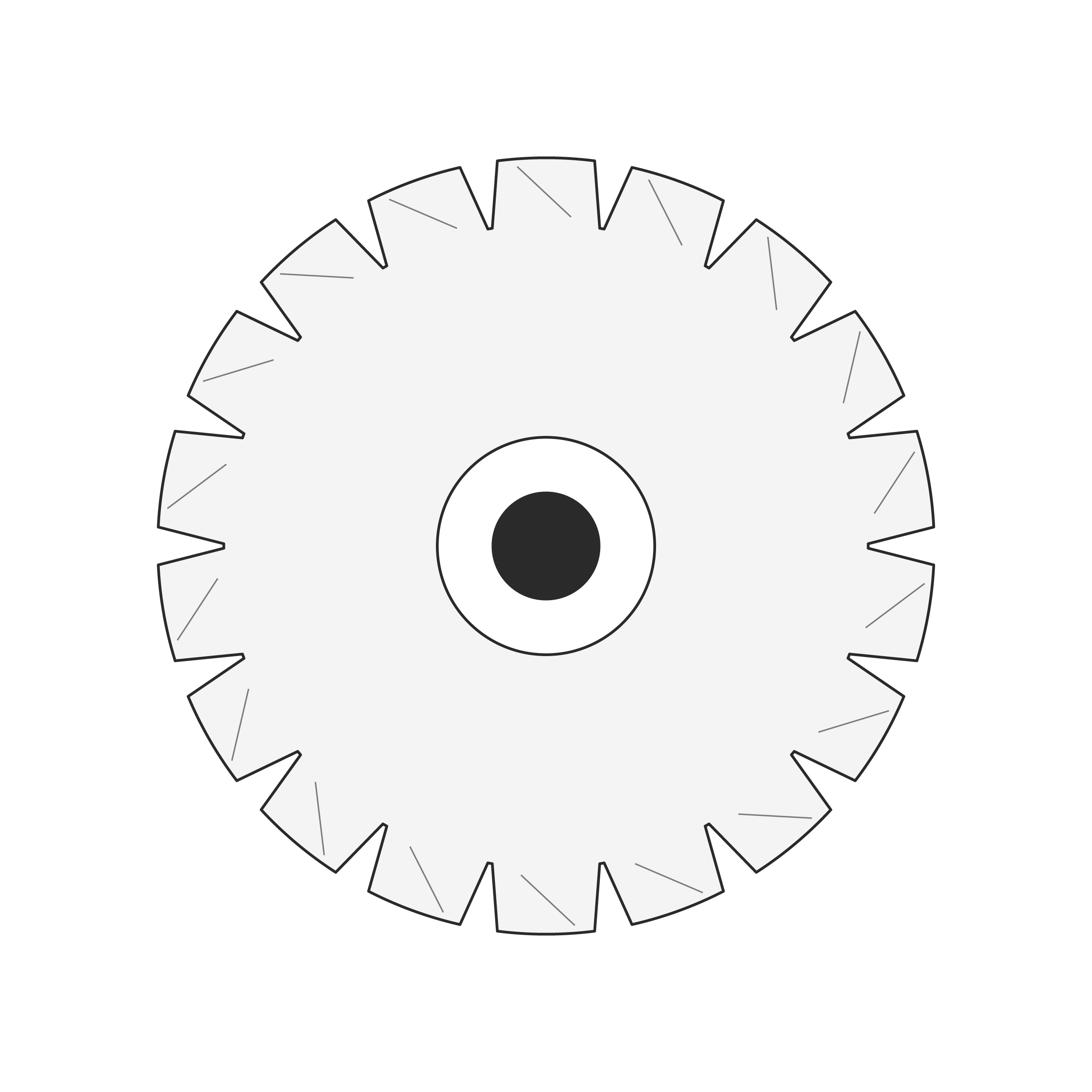
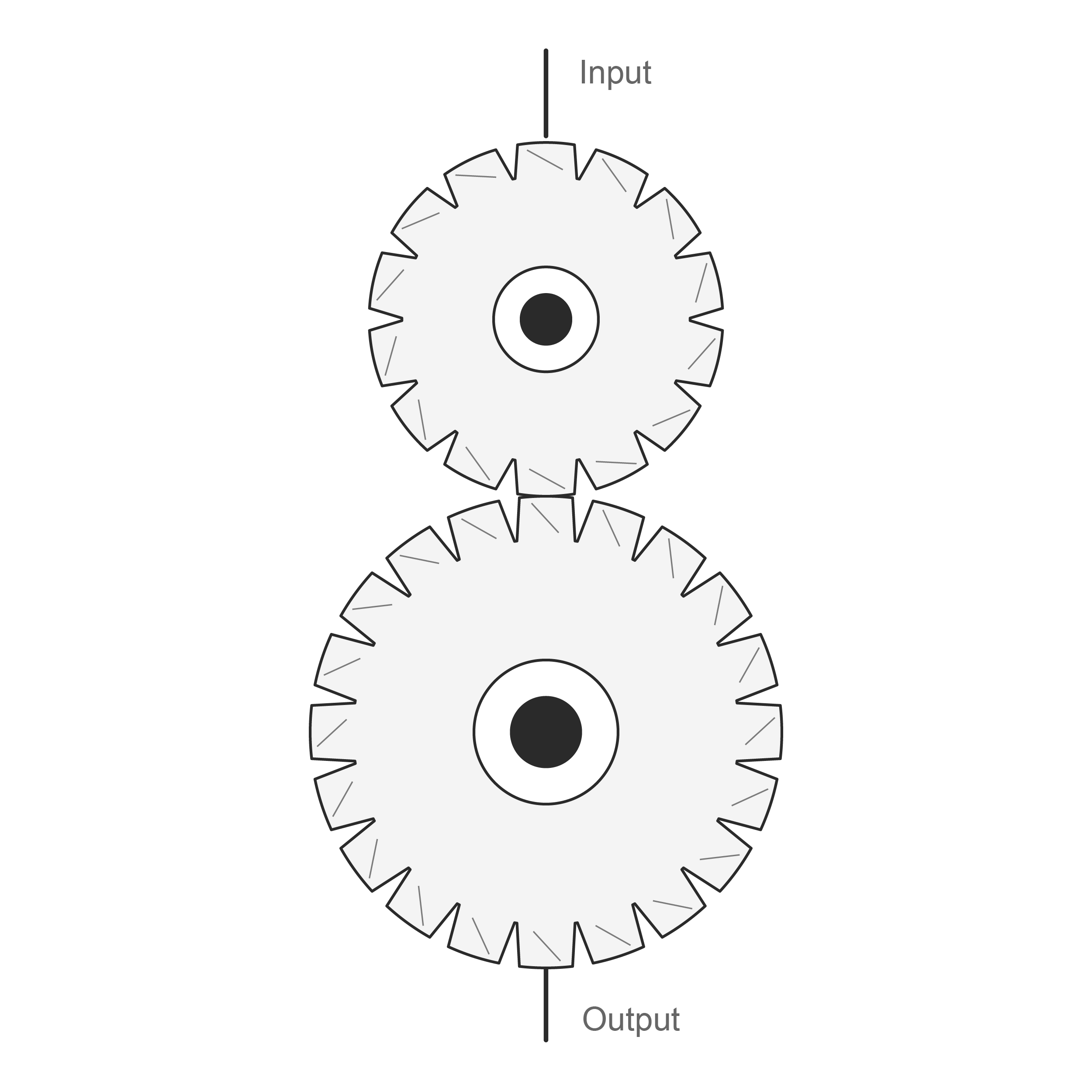
In a simple single-stage gearbox, there are just two gears. In more complex multi-stage designs, power passes through several gear sets in sequence, which allows for very high ratios while keeping the overall size manageable.
Not all gearboxes work the same way. The shape, arrangement, and design of the gears inside determine how the gearbox behaves, what applications it suits, and how efficiently it transmits power. The five main types used in industrial and commercial applications are covered below.
| Type | How it works and where it is used | |
|---|---|---|
|
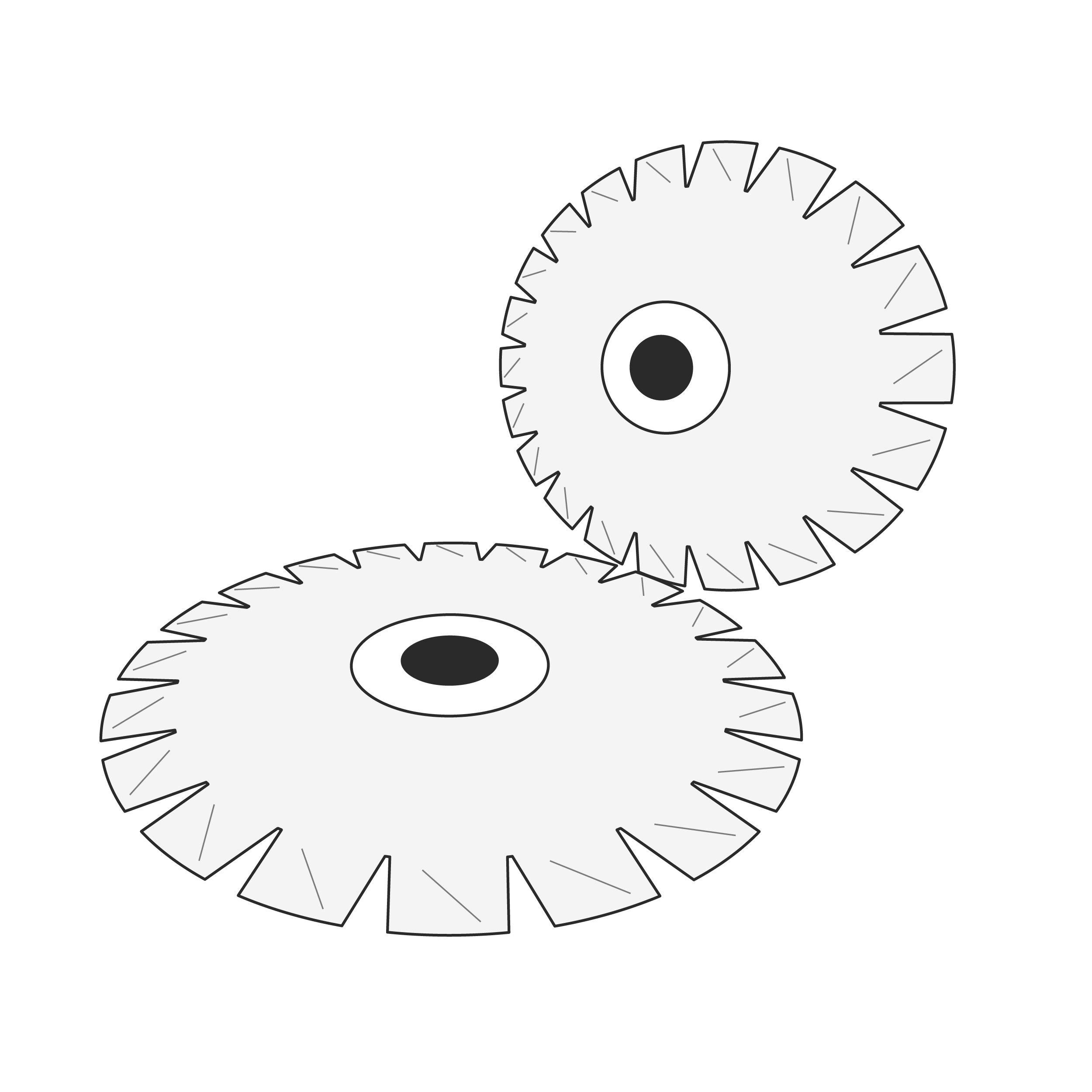
Helical | The teeth are cut at an angle so they engage gradually rather than all at once. This makes helical gearboxes smooth and quiet, which is why they are one of the most widely used types in industry. The input and output shafts run parallel to each other. Common in conveyors, compressors, and most general manufacturing applications. |
|
Bevel | Combines helical gearing with a bevel stage to transmit power around a corner, with the input and output shafts sitting at 90 degrees to each other. It gives you the smoothness of helical gearing with the flexibility of a right-angle drive. Common in right-angle conveyor drives, mixers, and heavy machinery. |
|
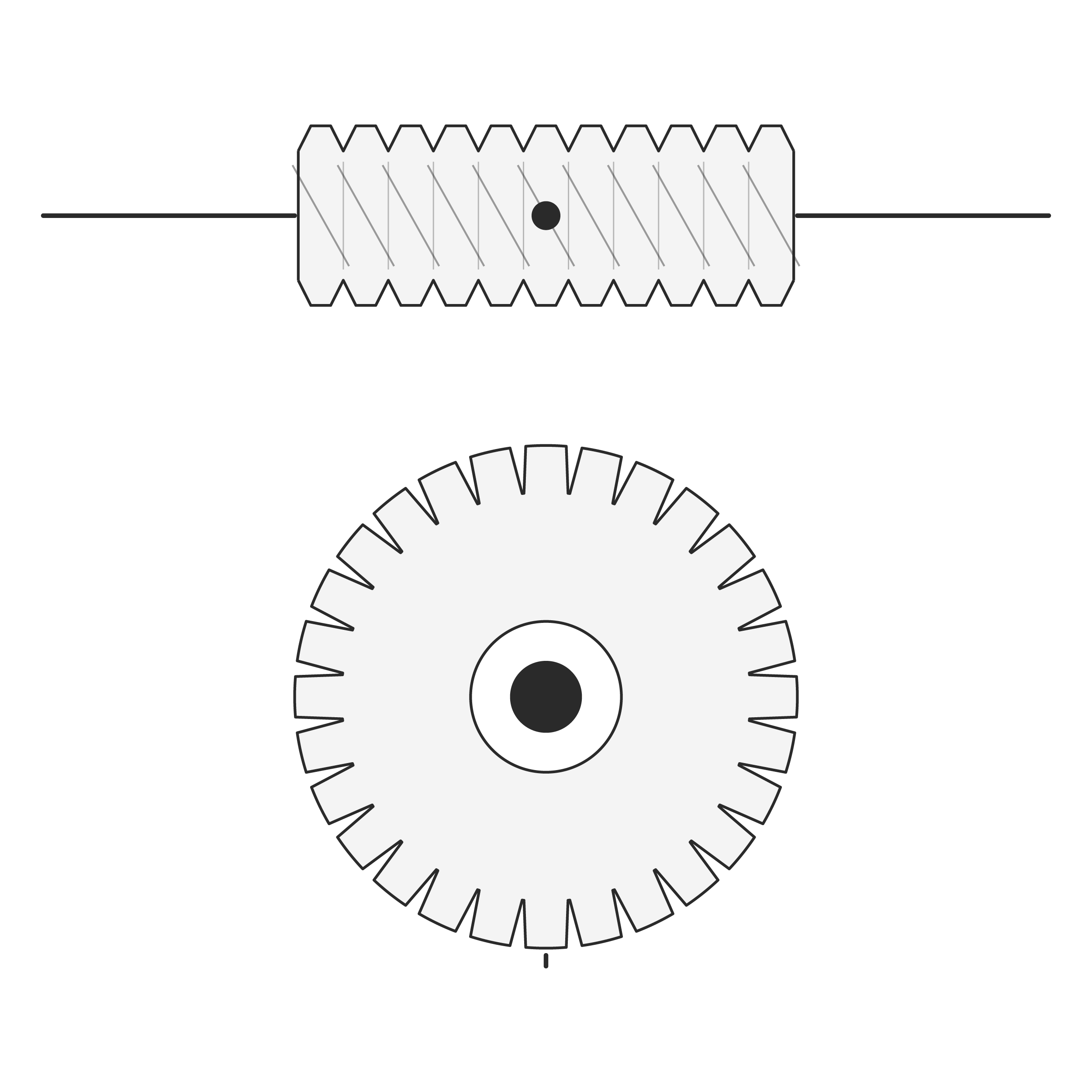
Worm | A rotating screw, called the worm, meshes with a toothed wheel to produce a large speed reduction in a very compact space. The output shaft sits at 90 degrees to the input. One useful characteristic is that many worm gearboxes are self-locking, meaning the load cannot back-drive the motor. Common in lifts, winches, gate drives, and packaging lines. |
|
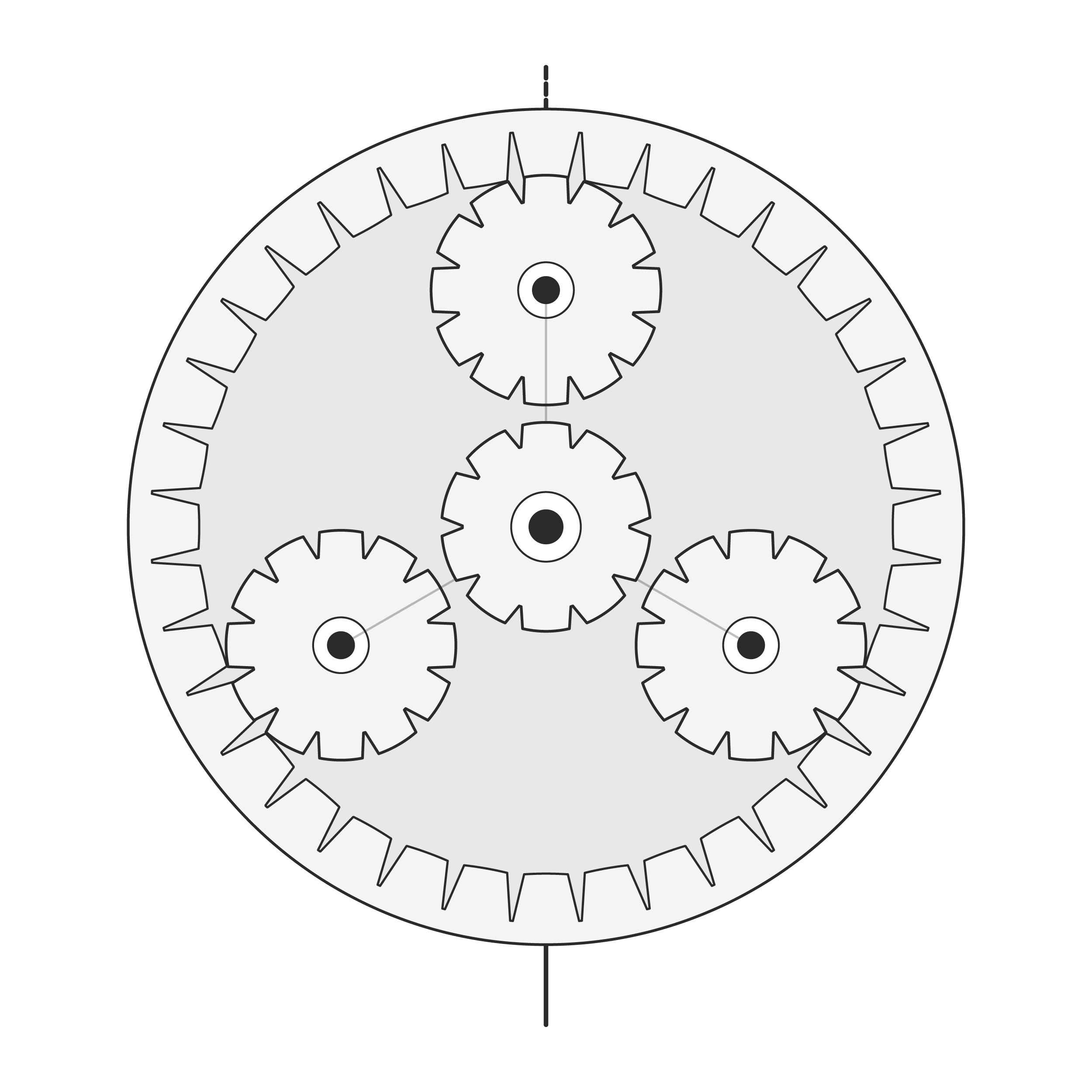
Planetary | Several planet gears rotate around a central sun gear inside an outer ring gear, sharing the load between them. This spreads the stress across multiple contact points, which is why planetary gearboxes can handle very high torque in a surprisingly small and light package. The input and output shafts are in line with each other. Common in robotics, servo systems, and heavy-duty industrial drives. |
|
Parallel Shaft | The input and output shafts run parallel but are offset from each other. The design is compact along its length, which makes it a practical choice where axial space is tight. Hollow shaft versions mount directly onto the driven shaft without the need for a coupling. Common in shaft-mounted conveyor drives, mixers, and crushers. |
In many applications, a motor and gearbox are supplied together as a single pre-assembled unit, known as a geared motor. Rather than buying a motor and a gearbox separately and coupling them together on site, the geared motor arrives ready to install with the two components already matched and aligned.
This approach simplifies installation, reduces the chance of alignment errors, and often saves space. Geared motors are available from fractional kilowatt ratings right up to several hundred kilowatts, and leading manufacturers such as SEW Eurodrive and Bonfiglioli offer them in a wide range of gearbox types, ratios, and mounting configurations. At City Rewinds and Drives, we supply geared motor units across this full range.
A gearbox on its own delivers a fixed output speed for a given input speed. If you need to vary the speed of your application, you have two main options: use a variable speed drive, also known as an inverter or VSD, on the motor, or use a variable speed gearbox.
In practice, the most common approach in modern installations is to pair a standard gearbox with a variable speed drive. The gearbox handles the bulk of the speed reduction and torque multiplication, while the drive gives you the ability to fine-tune the output speed and control how the motor starts and stops. This combination can also deliver significant energy savings compared to running a motor at full speed and using mechanical means to control the output.
At City Rewinds and Drives, we supply both gearboxes and AC/DC drives, so we can advise on the right combination for your application.
Gearboxes are designed to run for many years with minimal attention, but they do wear over time, and they can fail if they are overloaded, poorly lubricated, or exposed to conditions they were not designed for. The early warning signs are usually easy to spot if you know what to look for.
If any of these appear, it is worth getting the unit inspected before a partial failure becomes a complete one. Catching a problem early almost always means a simpler and less costly repair.
When a gearbox fails or starts showing signs of wear, the decision to repair or replace is not always straightforward. A repair can be the more cost-effective route, particularly for larger or older units where a direct replacement is expensive or difficult to source quickly. A replacement may make more sense if the unit is very old, if the repair cost approaches the cost of a new unit, or if the application requirements have changed.
At City Rewinds and Drives, our gearbox repair service covers strip-down, inspection, bearing and seal replacement, gear assessment, and reassembly to manufacturer tolerances. We work across all major makes and can often turn around a repair faster than a new unit can be sourced. If you are not sure which route is right, we are happy to give you an honest assessment based on what we find.
City Rewinds and Drives Ltd has over 25 years of experience supplying, installing, and repairing gearboxes and drive systems across a wide range of industries. Whether you need a new gearbox, a geared motor unit, a repair to an existing unit, or simply some advice on the right solution for your application, our team is here to help.
Tel: 0116 276 4949
Email: sales@cityrewinds.co.uk
Web: www.crtd.co.uk/products/gearboxes