
Understanding Transformers in Control Panels: A Complete Guide

This guide covers transformers in control panels, how they work through electromagnetic induction, common problems like incorrect connections and overloading, key specifications for selection, and maintenance practices to ensure safe, reliable system operation.
March 5, 2026
Header image

Transformers are a critical component in industrial and commercial control panels. Whether you’re managing machinery, building automation, or electrical systems, transformers play a key role in ensuring the correct voltage is delivered safely and efficiently. At City Rewinds and Drives, we specialise in transformer solutions for control systems, so here’s a detailed guide to help you understand how they work, the types available, and best practices for maintenance.
What Is a Transformer?

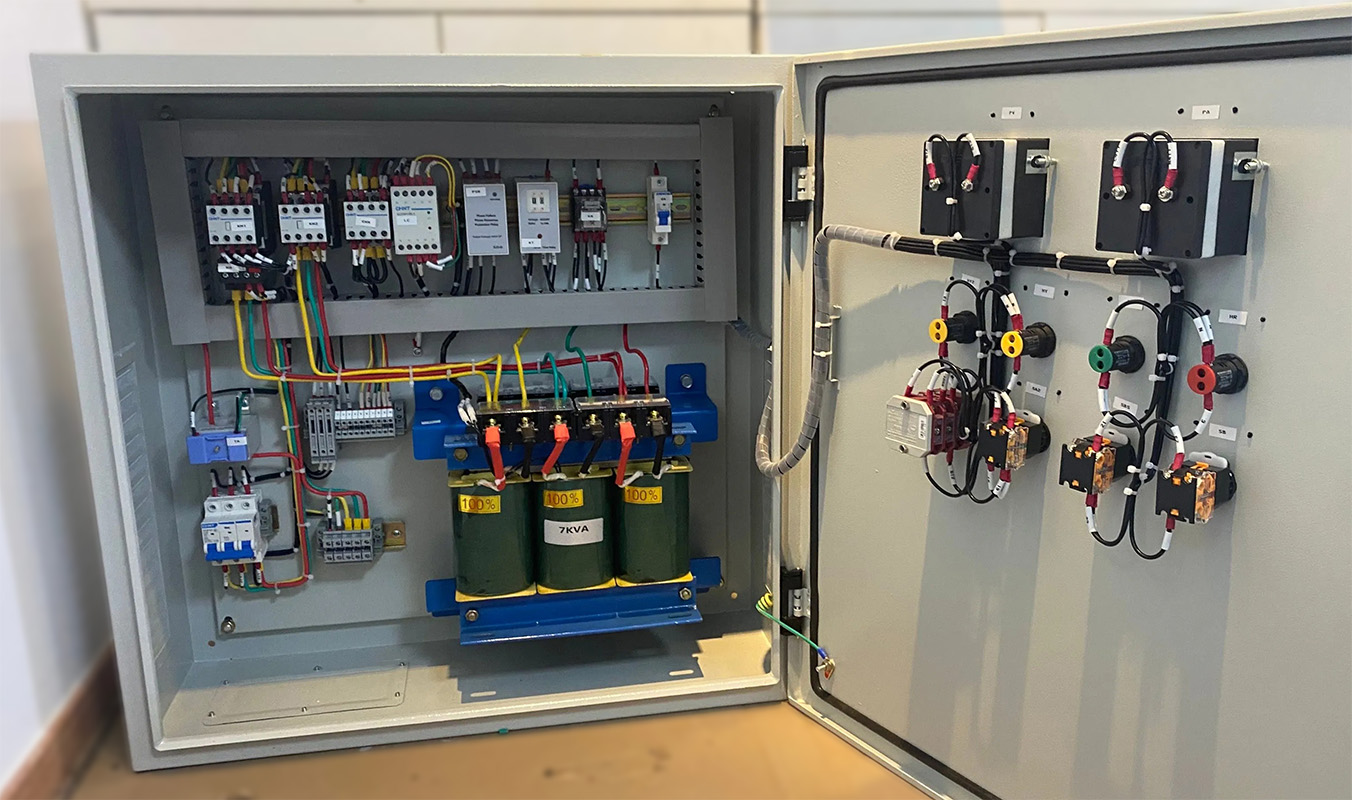
A transformer is an electrical device that changes the voltage of alternating current (AC) to match the requirements of a control circuit. In control panels, this usually means stepping down a high input voltage (such as 400V or 230V) to a lower, safer voltage like 24V or 110V for the panel’s components.

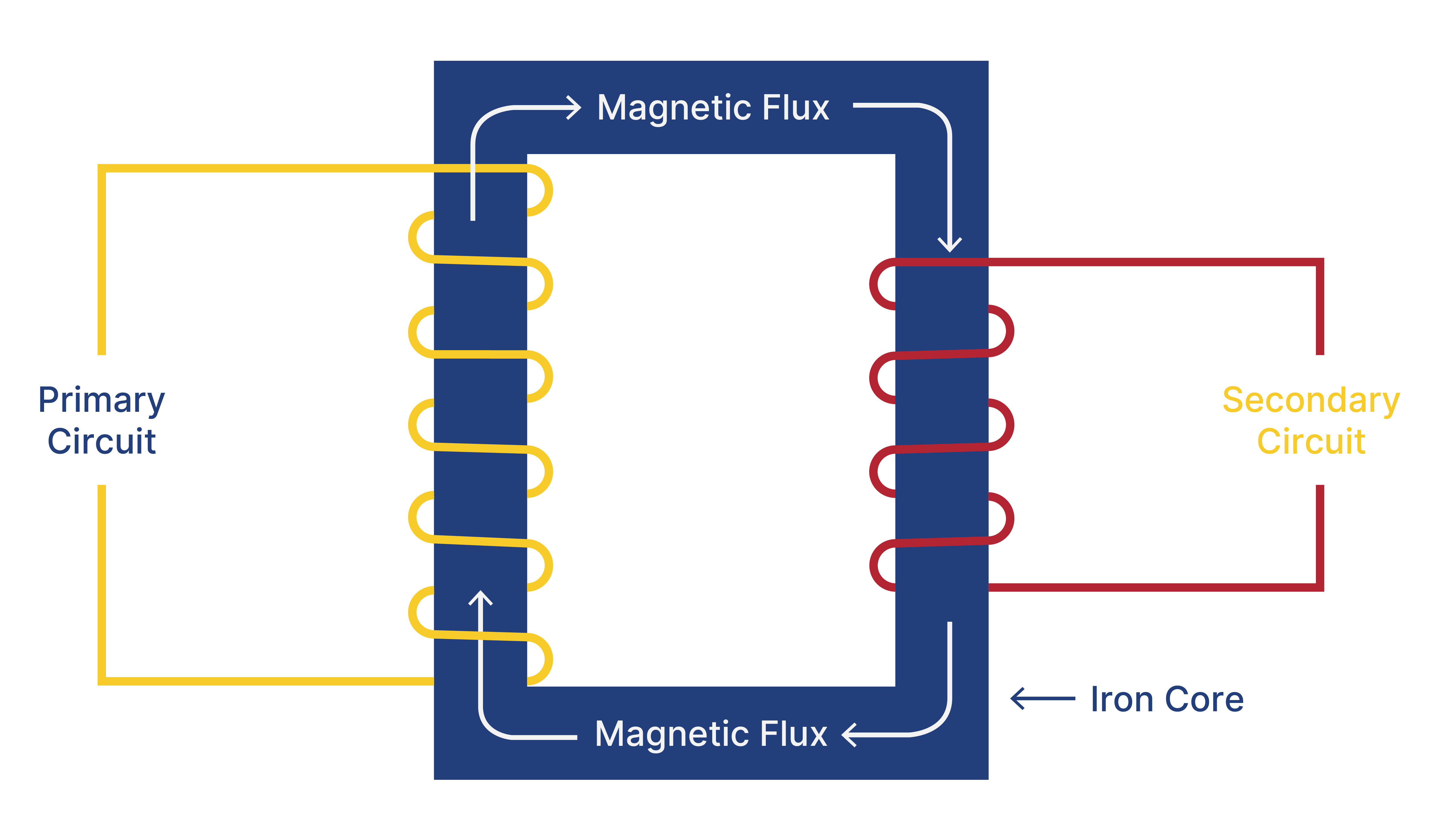
At its core, a transformer has two coils, primary and secondary windings, wrapped around a magnetic core. Electricity flows through the primary winding, creating a magnetic field that induces voltage in the secondary winding. This process is what allows transformers to efficiently transfer electrical energy from one voltage level to another.
How Do Transformers Work?

Transformers operate based on electromagnetic induction, which is a fundamental principle of electricity. Here’s a step-by-step explanation:

  • Alternating Current in the Primary Coil: AC flows through the primary winding, generating a magnetic field around the coil.
  • Magnetic Flux in the Core: The magnetic field passes through the transformer’s iron core, concentrating the flux and directing it toward the secondary winding.
  • Voltage Induction in the Secondary Coil: The magnetic flux induces a voltage in the secondary winding. Depending on the number of turns in each coil, the voltage can either be stepped up (increased) or stepped down (reduced).

Example: A primary voltage of 400V connected to a secondary with fewer turns can provide 24V for control circuits, which is safe for operating switches, relays, and other panel components.

Common Issues and Troubleshooting

Even the best transformers can encounter issues in control panels. Some common problems include:

  1. Incorrect Terminal Connections: Many transformers are multi-tapped, allowing for different primary and secondary voltage configurations. Connecting to the wrong terminal can result in incorrect voltage output, potentially damaging panel components.
  2. Overloading: Every transformer has a maximum current rating. Exceeding this load can cause overheating and failure. Always check the transformer’s power rating before connecting devices.
  3. Floating or Ungrounded Secondary: In most control panel applications, the 0V terminal should be connected to earth. Failure to do so can lead to unexpected voltage readings and erratic system behaviour.
  4. No Voltage Output: If voltage is missing on either the primary or secondary side, the transformer may have failed and require replacement.

Key Transformer Parameters for Control Panels

Selecting the right transformer for a control panel requires understanding a few essential specifications:

  • Voltage Rating: Indicates the designed voltage for both primary and secondary windings.
  • Current Rating: Maximum current the transformer can safely handle.
  • Power Rating (VA or kVA): Defines the total power the transformer can supply. VA (volt-ampere) is a measure of the electrical load it can manage.
  • Turns Ratio: The ratio of primary to secondary coil windings, determining whether voltage is stepped up or down.
  • Efficiency: Indicates how effectively the transformer converts input power to output power with minimal losses.

For replacements, the most crucial factors are primary and secondary voltage and power rating, along with physical dimensions to ensure proper fit.

Installation and Maintenance Tips

Proper installation and routine maintenance are key to a transformer’s performance and lifespan:

  • Installation: Mount transformers in a ventilated area to prevent overheating. Ensure correct wiring and follow manufacturer guidelines.
  • Maintenance: Inspect regularly for signs of wear,overheating, or loose connections. Keep terminals clean and test performanceperiodically to verify voltage output.

Conclusion

Transformers are the backbone of safe and reliable control panel operations. By understanding how they work, recognising common issues, and paying attention to key specifications, you can maximise the efficiency and longevity of your electrical systems. At City Rewinds and Drives, we provide expert transformer solutions and support, helping your control panels run smoothly and safely.


Stay up to date with the latest news and updates
Sign up to our newsletter today!
Thank you! Your submission has been received!
Oops! Something went wrong while submitting the form.
Thank you! Your submission has been received!
Oops! Something went wrong while submitting the form.